


Diamonds: No, thank you! What the industry doesn't want you to know (and we'll tell you)
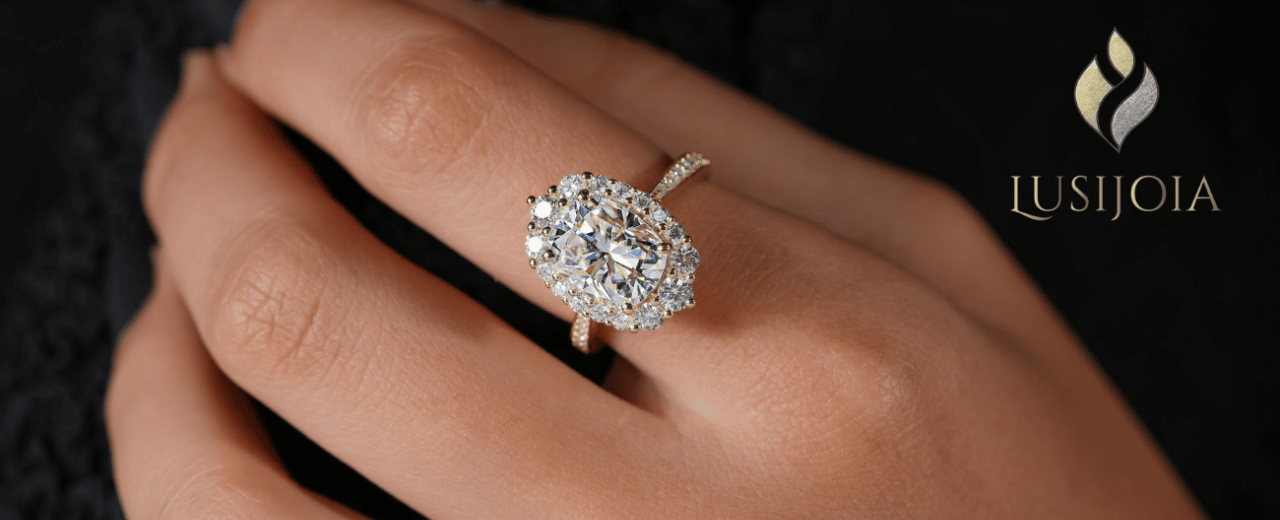
This is an unfiltered (but very shiny) conversation about jewelry.
Let's get one thing straight right away: we love sparkle! We love a beautiful stone in a ring. We love the feeling of helping someone choose the piece that will accompany a lifetime of love. We like those small velvet boxes that click when they open. Yes, we are romantics. We admit it!
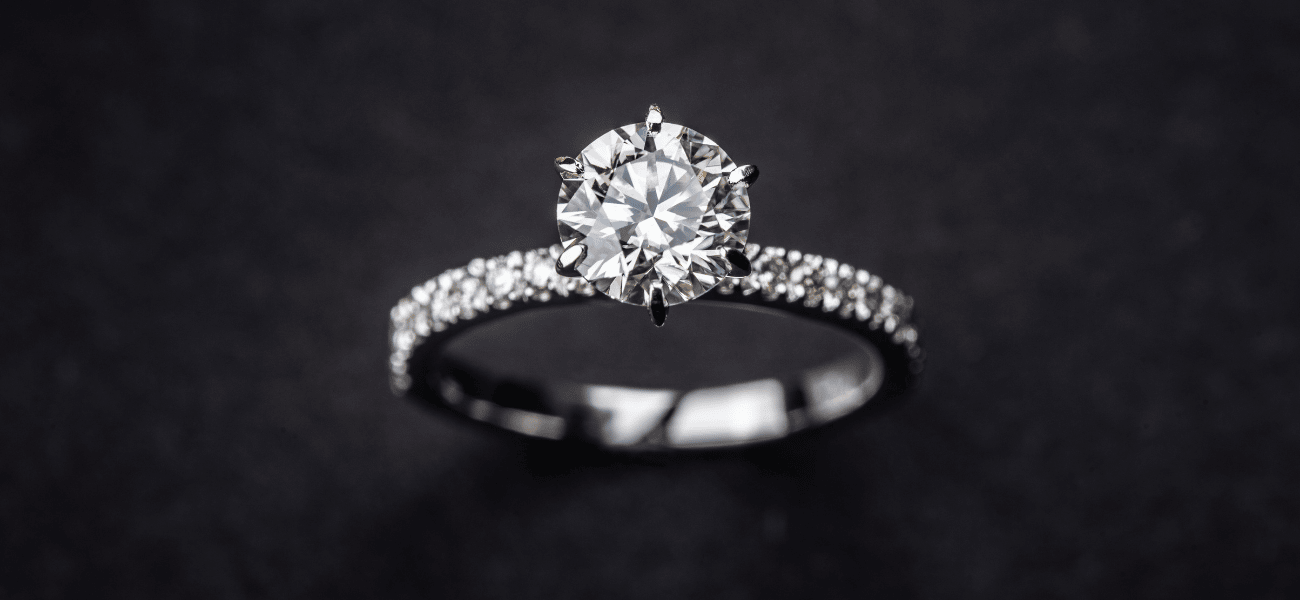
And, yes, we do have diamonds. Quite beautiful ones, with certification and controlled origin. We're not ashamed of that. A good diamond, well cut, with light dancing across its facets, is a beautiful thing. Who would disagree?
But... there's one thing that bothers us. And it has for some time now.
It's this: why are diamonds still seen as the only "acceptable" option for an engagement ring? Why does a white, expensive stone, with a not-always-ethical history, continue to rule in our minds as if it were the queen of the universe?
The short answer is: marketing. A whole lot of marketing.
And today, with the permission of someone who also sells diamonds (but prefers to talk to you as if we were in a café, not behind a counter), we're going to tell you the story that the industry would rather you didn't know. We're not going to say "run away from diamonds". We're going to tell you: "before you choose, know everything. And then choose consciously."
Grab a cinnamon roll, make yourself comfortable. And let's go.
The invention of "forever" (or how a company sold us the idea)
Imagine the following: it's 1947. The world has just come out of a war. People are poor, tired, and have little desire to spend money on shiny stones. Diamond sales are at rock bottom. In this scenario, a company called De Beers (which controlled practically all the diamond mines in the world) hires an advertising agency. The challenge? To convince people that a man should spend two months' salary on a diamond ring to propose to his girlfriend.
Two months. Of salary.
And guess what? It worked.
The "Diamonds Are Forever" campaign went down in history as one of the greatest marketing ploys ever. Suddenly, diamonds were no longer just one expensive stone among others – they became the stone. The mandatory one. The one that demonstrated true love.
And the cleverest part (never better said) was the slogan. "Forever" suggested that the diamond never lost value, that it was eternal, that it was an heirloom. But the truth (and we, who deal with buying and selling jewelry, know this well) is that a diamond, if you try to sell it, loses up to 50% of its value the moment it leaves the store. Yes, you read that right. Just like a car, but with more sparkle.
But nobody talks about that. Because De Beers spent millions ensuring we talked about "forever".
Funny note: if a diamond is forever, why does our friend Sofia still have her first wedding ring tucked away in a drawer? No comment!
The inconvenient truth: diamonds aren't actually that rare
Another thing the industry loves for you to believe: diamonds are super rare, almost impossible to find, a miracle of nature.
Let's look at numbers. In Russia alone, there is a mine called Mirny (meaning "Peace", ironically) that has a crater 525 meters deep. For years, it produced millions of carats per year. South Africa, Botswana, Canada, Australia – they all produce diamonds by the ton. The rarity of diamonds is largely artificial. De Beers and other companies control the supply. They store diamonds in huge warehouses to keep prices high. It's the so-called "diamond cartel". And it works!
Think of it this way: if there were a fruit that only existed on a remote island and a group of people decided to store 80% of the harvest in a cupboard, that fruit would be extremely expensive. But that doesn't make it more valuable. It makes it... controlled.
It's the same with diamonds. They aren't as rare as alexandrite or painite (look it up on Google, you'll be impressed). They're just well-guarded.
Do we still sell diamonds? Yes. But when a customer asks us "are they rare?", we answer honestly: "they are beautiful. And if that's your passion, we have options. But don't choose them because you think they're rare – because they're not."
Blood diamonds: the elephant in the room (and that's no joke)
Let's now move to the slightly more serious part. But we promise to keep it light – because the subject can be heavy, but ignoring it is worse.
They are called conflict diamonds (or "blood diamonds") – those mined in war zones, often through forced or child labor, and sold to finance rebel armies. Sierra Leone, Angola, Liberia, the Democratic Republic of Congo – these names appear in the newspapers, but we rarely associate diamonds with those realities.
In the 1990s, the situation was so grave that the industry was forced to create a certification system called the Kimberley Process, which, theoretically, guarantees that diamonds do not come from conflict zones.
In practice? It has flaws. Quite a few flaws. Organizations like Global Witness and Human Rights Watch point out gaps. There are reports of diamonds leaving militia-controlled areas and ending up in European shops with dubious certificates.
What do we, at Lusijoia, do about this? We are transparent. We guarantee that the diamonds we sell have origin certification and that we carefully select our suppliers. We don't accept just any diamond – only those that meet ethical standards.
But the truth is that, even with all the care, the risk is never zero. So when a customer asks us "what is the most ethical stone?", we don't immediately point to the diamond. We point to the alternatives.
The new generations: "Diamonds? I'd rather have a trip!"
Here's the part that gives us hope. Millennials and Generation Z are looking at diamonds with skepticism. Studies show that:
- Over 60% of young people prefer to spend money on experiences (travel, concerts, dinners) rather than traditional luxury goods.
- Sustainability and ethics are decisive factors in purchasing.
- Many consider the diamond ring "old-fashioned" or "an unnecessary imposition".
And aren't they perhaps right?
We know a couple who swapped diamond rings for... tattoos. Literally. They tattooed a ring on their finger. It costs less, you can't lose it, and they talk about it with more pride than any gemstone. Another couple we know bought an old van, turned it into a camper, and traveled around Europe for six months. The money they would have spent on diamonds paid for fuel, food, and memories for a lifetime.
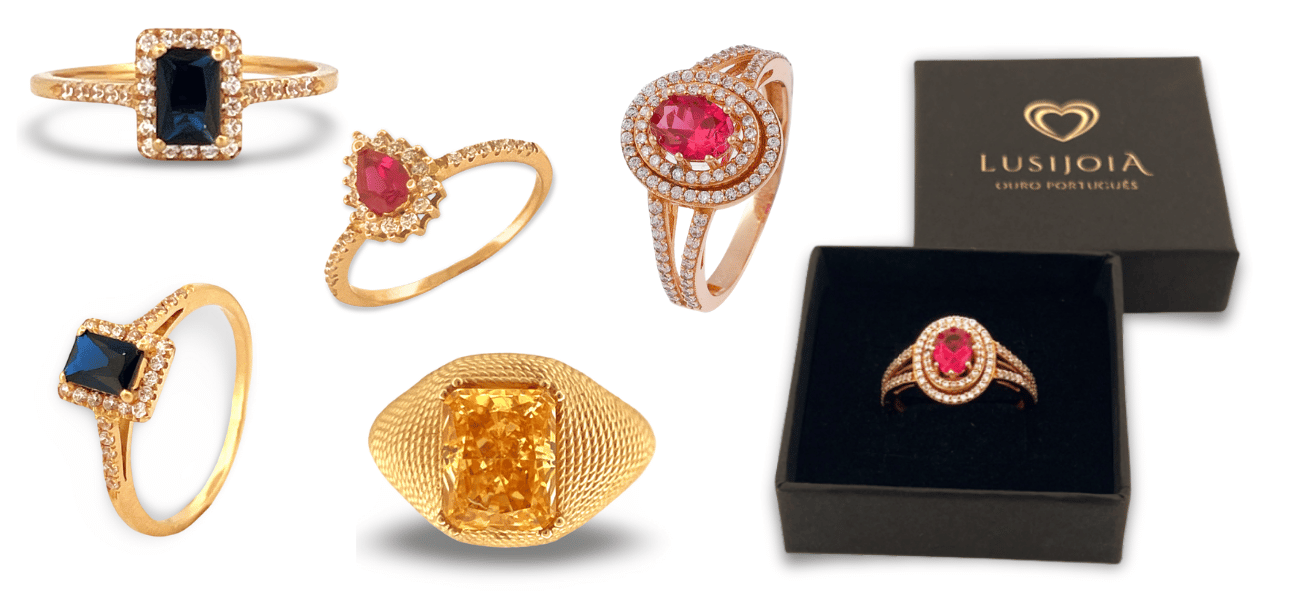
And then there are those who simply prefer other stones. Blue sapphires, red rubies, green emeralds, imperial topazes... There's a whole world of color out there (and inside Lusijoia).
Alternatives that can be (much) cooler than diamonds
Time for the good part. Because we're not just a bunch of annoying people saying "be careful with diamonds" and then leaving. No. We're going to show you what else we have – and that can often be more interesting.
1. Colored stones: your story, your color
Each stone has a meaning. A ruby (red) is passion. A blue sapphire is loyalty and calm. A green emerald is renewal and hope. An imperial topaz is as rare as true love.
And the best part: they are rarer than diamonds (especially good quality ones) and considerably more affordable. For a third of the price of an average diamond, you can buy a breathtaking sapphire.
Funny note: Princess Diana refused a diamond. Her engagement ring was a blue sapphire surrounded by small diamonds. And the ring was passed down to Kate Middleton. So, the "non-diamond" became the most famous ring in the world. See the irony.
At Lusijoia, we have a beautiful selection of colored stones. Come see them. It costs nothing to take a look.
2. Moissanite: the diamond 2.0 (brighter and cheaper)
Moissanite is a synthetic stone (lab-grown) and (surprise) it shines more than a diamond. It has a higher refractive index, meaning it throws more sparks.
And it costs about 10% of the price of an equivalent diamond.
Morally, it's impeccable: no mining, no blood, no cartel. Technically, it's superior. Aesthetically, it's gorgeous.
So why isn't it more popular? Because the industry doesn't want you to know that a better, cheaper stone exists. Simple!
3. Portuguese filigree: no stones, but with soul
Filigree – the technique of interlaced silver or gold threads – is an ancient art. A filigree ring doesn't need stones. The beauty lies in the lacework, the open spaces, the light passing through the piece.
It's unique. It's Portuguese. It's sustainable (no mining involved). And each piece is handmade, meaning no two rings are alike. Giving a filigree ring is saying: "I didn't follow the herd. I chose something with history, with technique, with Portugal inside."
At Lusijoia, filigree is one of our passions. We have rings, earrings, necklaces – all made by Portuguese goldsmiths.
4. Stainless steel with stones and shine: modern, resistant, and affordable
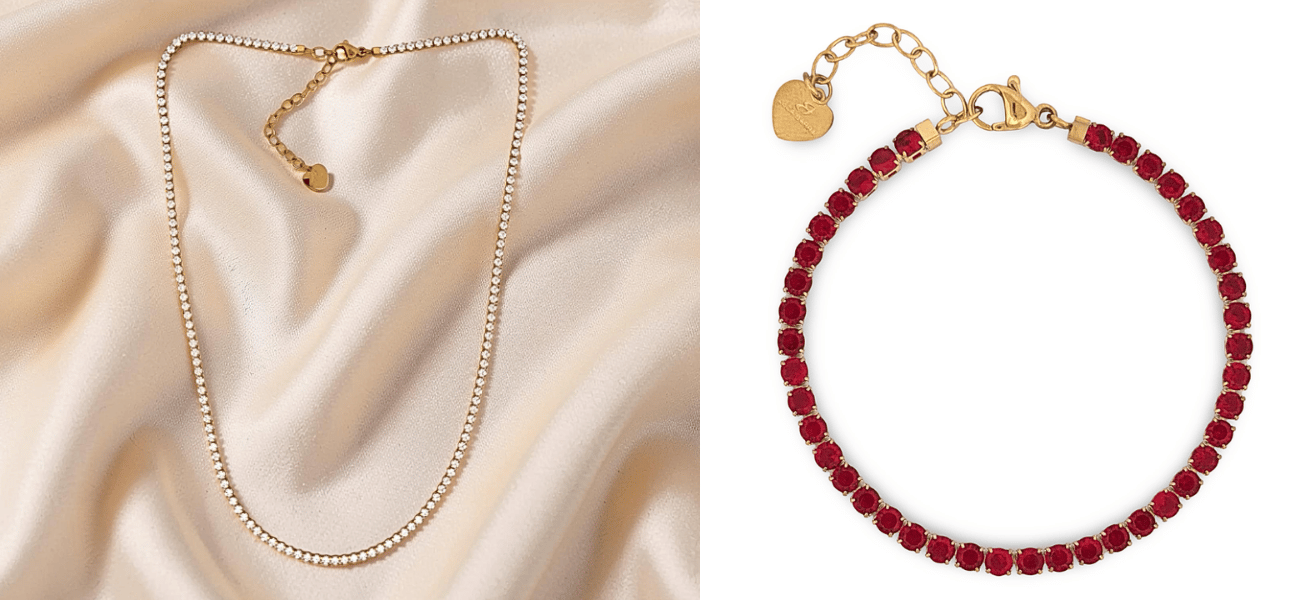
And we have our newest addition: stainless steel. Have you heard of it? It's a material that doesn't tarnish, doesn't scratch, doesn't cause allergies, and costs a fraction of the price of gold.
And when we combine steel with colored stones or zircons, the result is modern, relaxed, and surprisingly elegant. It's the perfect choice for those who want an accessory they can wear at the beach, at the gym, while cooking, without ever taking it off. Because jewelry isn't meant to be stored in a drawer. It can be worn every day.
So, is Lusijoia against diamonds?
No. Of course not!
But we don't like to pretend they are the only option. Because they aren't. And the people who visit our stores know this: the first thing we ask them isn't "which diamond do you want?". It's "what story do you want to tell?".
Because love isn't measured in carats. It's measured in attention, in meaning, in affection, and in knowing what the other person truly likes.
If your heart beats for a diamond – after reading this article, after learning about blood diamonds, the De Beers cartel, all the alternatives – then buy the diamond! We'll help. And gladly.
But if your heart beats for a blue sapphire like Diana's, or for a filigree ring that looks like a lacework of light, or for a stainless steel bracelet you can wear fearlessly at the beach – we'll help too. With the same pleasure.
Our job isn't to push the most expensive product on you. It's to help you find the piece that truly makes sense for you.
Your love is unique. Why should your ring (and other jewelry) be the same as everyone else's?
Come meet us. Bring ideas. Bring doubts. Bring your favorite person.
Note from the Lusijoia team: This article was written based on facts, but also with a lot of passion. If you want to know more about alternatives to diamond jewelry, we have a special selection. Ask to see the sapphires, the rubies, the zircons, and the filigree pieces. We guarantee you'll love them. And no, we won't try to convince you to buy a diamond if that's not your wish. That's just how we are: honest! ?
-----------------------------------------------------------------------------------------------------
Follow our Blog to discover more publications related to the world of jewelry first-hand!
Subscribe to our Newsletter to receive news from us in your email every two weeks.
Explore our website to appreciate jewelry in Portuguese gold, sustainable gold, silver and filigree pieces, included in the most current trends in the sector.
Follow our Social Media to get more inspiration when composing your everyday looks.
Related posts

Portojóia 2026: "Luxury Redefined" and the future of Portuguese jewelry

New post

Margarida Corceiro's Shine at the 2026 Venice International Film Festival

Essential Vintage Jewelry: A guide for collectors (and those who want to start)
How to Match Eyeglass Frames with Your Jewelry (The Guide Your Style Was Missing)
The Importance of Choosing the Right Lenses for Sunglasses, Along with Jewelry

The Art of Ear Cuffs: Earrings without piercing to change your look

Total Eclipse in Portugal: How to Photograph the Phenomenon That Will Only Return in 2144

The Euro is getting a makeover: Do you prefer historical figures or birds?