


FIA Lisboa 2026: Where traditional craftsmanship meets a contemporary perspective
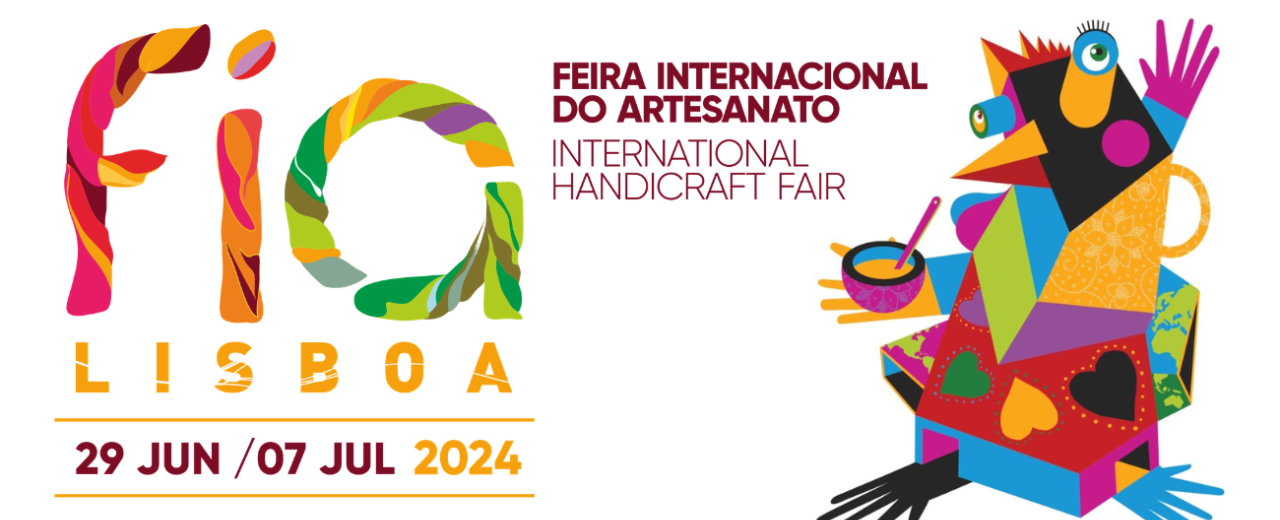
Now that it's over, we can say with complete honesty: the largest handicraft fair in the Iberian Peninsula and the second largest in Europe was back at FIA Lisboa and it was a true festival of creativity, talent, and, of course, a lot of well-done manual work. It took place between June 27th and July 5th, at FIL in Parque das Nações, which turned into the epicentre of national and international craftsmanship – and we, who love handmade things, couldn't let this event go unnoticed here on our blog.
FIA Lisboa is a platform of excellence for promoting the Identity and Development of National and Foreign Territories, particularly at the Economic, Cultural, and Tourist levels. It supports Regional Development and local cultures through various aspects of Tangible and Intangible Cultural Heritage – handicrafts, gastronomy, natural resources, cultural and tourist activities, among others, seeking to highlight National Micro, Small and Medium Enterprises, Entities and Official Organisations linked to projects aimed at promoting and publicising Territories, as well as selling Regional Products.
Promoted by Fundação AIP in collaboration with IEFP – Instituto de Emprego e Formação Profissional, this 35th edition of FIA featured a huge exhibition area for national and international handicrafts, as well as a gastronomy area, which, in addition to traditional products from different regions, brought the joy of the Popular Saints with the usual grilled sardines and the festive fair.
Pavilion 1 featured traditional and contemporary handicrafts from all over the country, including the islands.
It is worth noting that this edition had a record number of municipalities present from north to south of the country, a 50% increase, who saw in FIA Lisboa the opportunity to promote their territory's culture and boost tourism in their regions.
Pavilion 2 featured representations from different cultures around the world. The international area had representation from about 30 countries, including Cuba and Tunisia, Brazil, Colombia, Senegal, Zimbabwe, Morocco, Mali, Ecuador, Congo, and Peru.
Pavilion 3 featured the best gastronomy, traditional games for families, folklore, musical performances, and lots of entertainment.
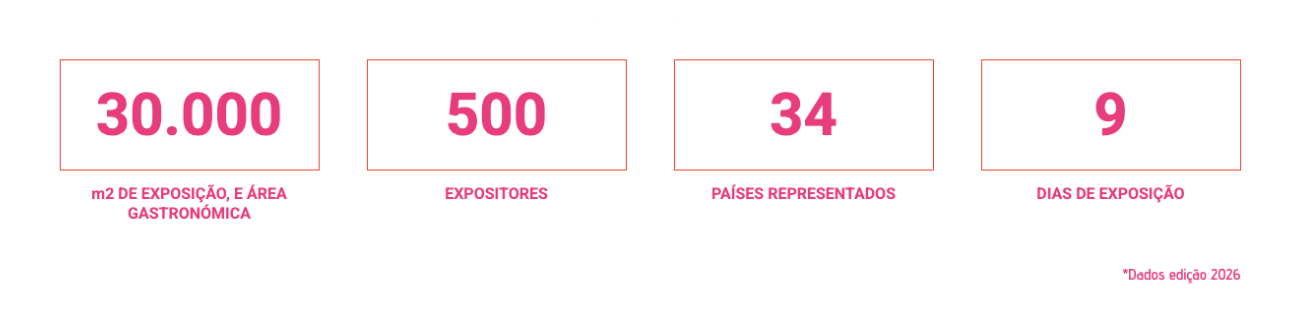
Today, we look back at this event that brought together more than 500 exhibitors from 34 countries and occupied about 30 thousand square metres of pure creativity. And, by the way, we take the opportunity to share with you the trends, the inspirations, and perhaps some ideas for future collection pieces.

Alentejo and Ribatejo: the regions that stole the spotlight
This year, the invited national region was Alentejo and Ribatejo – and what a great choice. The Regional Tourism Entity brought to FIA more than 50 artisans representing 36 municipalities, in a 72-square-metre stand that was a true living museum. Dozens of techniques and traditions from the region were on display: from the ceramics of Beja and Cartaxo to the pottery of Reguengos de Monsaraz, from the embroideries of Nisa to the cork works of Montemor-o-Novo, and from the basketry of Grândola to artisanal jewellery.
The president of the Regional Tourism Entity, José Santos, summed up the spirit well: "The goal is to increasingly integrate handicrafts into the overall tourism offer of Alentejo and Ribatejo, using FIA to reach new audiences, operators, and potential visitors".
Boyacá: the Colombia that enchanted us
At the international level, the Colombian region of Boyacá was the guest of honour, and it brought with it a wealth of craftsmanship that made us sigh. With 21 workshops and craft units from municipalities such as Guacamayas, Ráquira, and Villa de Leyva, the Colombian region presented its two Designations of Origin: the roll basketry of Guacamayas and the pottery of Ráquira.
The public was able to watch live weaving and basketry demonstrations, with two artisans who travelled especially from Colombia to share their knowledge – which is passed down from generation to generation. It is this type of exchange that makes FIA so special: the possibility of seeing, live, techniques that are often centuries old and continue to be passed down as true cultural treasures.
Mafra and the saloia identity in the spotlight
The Municipality of Mafra also made its presence felt with a stand that brought the saloia identity to Parque das Nações. Under the motto "Here lives Mafra. Where hands keep the knowledge of generations", about two dozen artisans from the municipality showed the diversity of traditional and contemporary crafts.
Ceramists, potters, masters of artistic woodwork and inlay, embroiderers, upholsterers, and author jewellery creators – the list was long and the talent evident. There was also an exhibition of pottery with pieces by Master Potter José Franco, kindly loaned by the Aldeia Museu José Franco, a tribute to one of the greatest figures in Mafra's artisanal heritage.
The triumph of Azorean craftsmanship
If there was one region that shone at FIA 2026, it was the Azores. Azorean craftsmanship won three distinctions in the Contemporary Craft category, and we, who value excellence and innovation, give them a standing ovation.
The 1st Prize went to ceramist Adolfo Mendonça, from Terceira island, with the piece 39ºC – inspired by marine elements and designed as a warning about environmental changes and the fragility of ecosystems. Carolina Medeiros, from São Miguel, received an Honourable Mention for the SUBT'L Wearable Architecture Necklace, while Marina Mendonça, from Santa Maria, was distinguished for the Pote Condessa, which combines the tradition of basketry with contemporary ceramics.
The Regional Secretary for Youth, Maria João Carreiro, considered this recognition "a source of enormous pride for the Azoreans", highlighting the role of a new generation of artisans who preserve the authenticity and artisanal know-how of the Azores, reconciling tradition and innovation.
The "Design For Craft" space and innovation in handicrafts
One of the most inspiring spaces at FIA was Design For Craft, curated by Guta Moura Guedes, which brought contemporary design closer to traditional techniques, promoting new approaches to craftsmanship. This space is proof that tradition and modernity can coexist – and that innovation often arises precisely from this fusion.
And that is exactly the spirit that drives us at Lusijoia: we believe that traditional know-how can (and should) dialogue with a contemporary perspective. Portuguese filigree, Contas de Viana, and 19.2kt gold certified by INCM are perfect examples of this relationship.
Awards and recognition
The FIA 2026 Awards were presented, distinguishing Adolfo Mendonça in the Contemporary Craft category, and Cristina Fachada in the Traditional Craft category. The organisation considered that these distinctions recognise the contribution of the two artisans to the preservation and renewal of manual arts. It is good to see that manual work, attention to detail, and passion for what one does continue to be valued. And, by the way, it gives us even more pride in being part of this creative ecosystem.
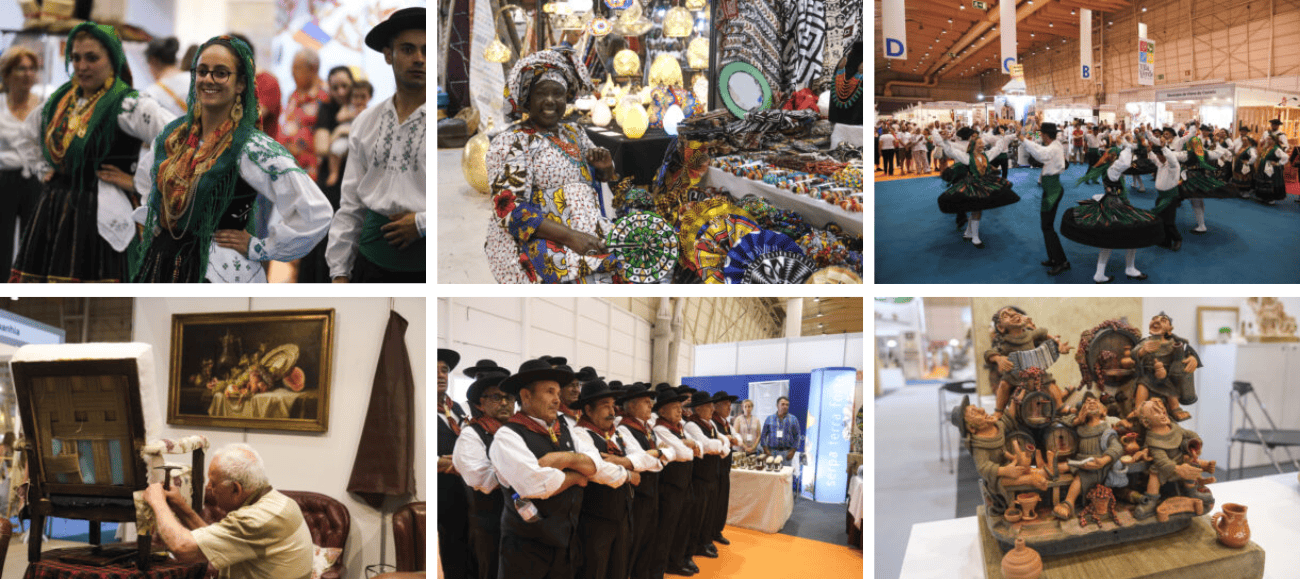
Images: https://fialisboa.fil.pt/fotogaleria/
What does this have to do with Lusijoia?
Now, the question that matters: what does FIA have to do with Lusijoia?
Everything!
FIA is the celebration of what is made by hand. Of what has history, technique, and soul. It is the recognition that artisanal work – whether in ceramics, embroidery, jewellery, or basketry – is a heritage that deserves to be preserved, celebrated, and, above all, reinvented.
At Lusijoia, we do exactly that every day. We work with Portuguese goldsmiths, value filigree, invest in certified gold, and, more recently, embraced stainless steel as a modern and resistant alternative.
FIA is an inexhaustible source of inspiration. Seeing artisans from all over the world working live, sharing techniques, and telling stories through their objects – that is what makes us believe that craftsmanship has a future. And that, even in the digital age, there is room for what is made with the hands.
Until 2027: the next edition already has a date
The organisation has already announced the date for the next edition: FIA Lisboa 2027 will take place between June 26th and July 4th, once again bringing together national and international artisans at FIL.
We are already counting down the days.
-----------------------------------------------------------------------------------------------------
Follow our Blog to discover more publications related to the world of jewelry first-hand!
Subscribe to our Newsletter to receive news from us in your email every two weeks.
Explore our website to appreciate jewelry in Portuguese gold, sustainable gold, silver and filigree pieces, included in the most current trends in the sector.
Follow our Social Media to get more inspiration when composing your everyday looks.
Related posts

A Gold Bar Hidden in Lapland: Treasure Hunt
MUDE. All the beauty of the world in 502 contemporary jewels.

Portojóia 2026: "Luxury Redefined" and the future of Portuguese jewelry

New post
Margarida Corceiro's Shine at the 2026 Venice International Film Festival

Essential Vintage Jewelry: A guide for collectors (and those who want to start)
How to Match Eyeglass Frames with Your Jewelry (The Guide Your Style Was Missing)
The Importance of Choosing the Right Lenses for Sunglasses, Along with Jewelry

The Art of Ear Cuffs: Earrings without piercing to change your look