

Why is Gold Considered the Safest Investment in the World?
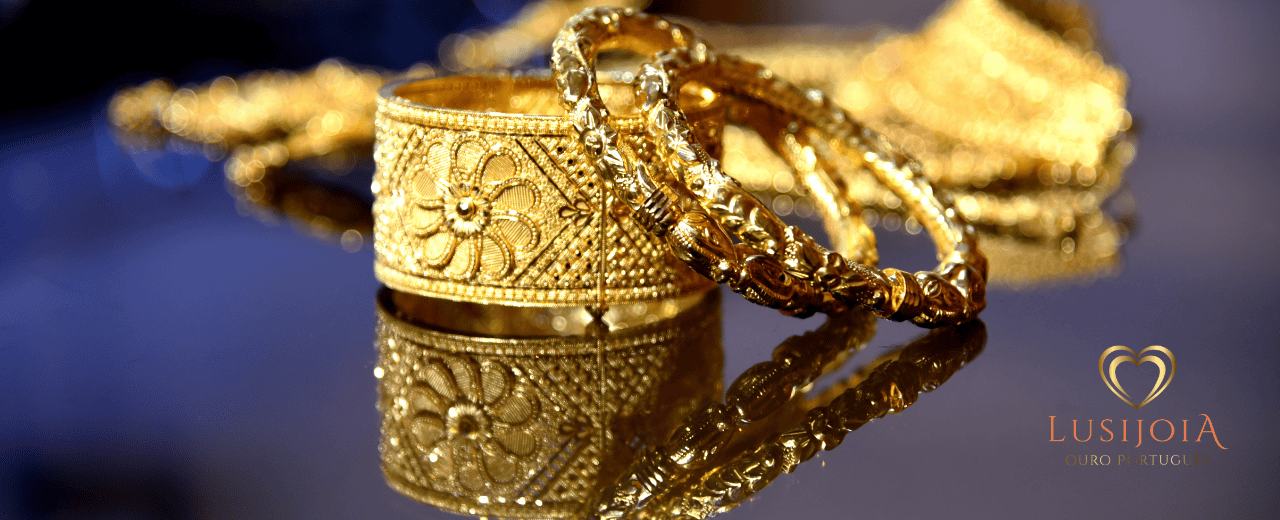
From the most ancient civilizations to modern markets, few raw materials maintain the fascination, relevance, and reliability that gold sustains.
In contexts of economic, geopolitical, or monetary uncertainty, investors and families look to gold as a safe haven—an “anchor” of value that remains firm when other assets falter. Today, more than ever, this precious metal shows its unique qualities: it is physical, tangible, universally recognized, historically preserved, and capable of withstanding the shocks of financial markets.
But why is gold considered the safest investment in the world? This article will examine the main reasons—from scarcity and liquidity to its ability to diversify risk, protect against inflation, withstand crises, and maintain value over time. And, of course, we will see what this means in a Portuguese context, for those who use gold not only as jewelry—but also as an investment and for preserving wealth.
Intrinsic Value and Scarcity
One of the first qualities that distinguishes gold is its intrinsic value: unlike many financial assets, gold does not depend on promises of return or the solvency of an issuing entity. It physically exists, has been used as a medium of exchange and store of value for millennia, and continues to have consistent demand—both as jewelry and for technical and industrial reasons.
The Scarcity Factor
Global annual gold production is limited and comparatively small: according to economic literature, the total amount of gold mined throughout history is relatively static, and much of it remains in stock above ground—which gives stability to this metal.
When we see that this stock throughout history does not wear out, but simply changes form or ownership, we realize that gold has the nature of a "store of value" rather than a "consumer asset."
Durability and Universality
Unlike assets that deteriorate, become obsolete, or lose value due to innovation, gold endures. It doesn't corrode, it doesn't become obsolete, and it has global acceptance — from central banks to traditional jewelry.
This physical durability and universality give it a robustness that few assets possess.
Protection Against Inflation and Currency Devaluation
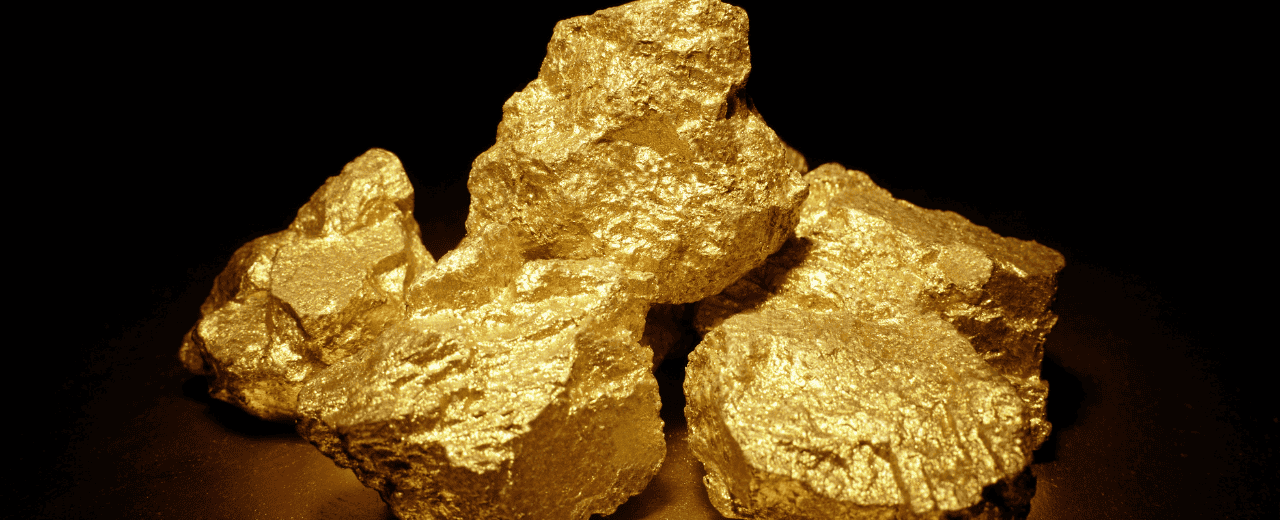
In environments where fiat currencies lose purchasing power due to inflation or excessive issuance, gold emerges as a hedging instrument. This key property reinforces its reputation as a safe investment.
What is inflation and why does gold react?
Inflation means that each monetary unit buys fewer goods or services. “Fiat” currencies depend on trust in the issuer, and that trust can be shaken—reducing purchasing power. Gold, on the other hand, does not depend on a promise of payment, and historically has risen in value when inflation accelerates or when monetary policies are expansionary. For this reason, many investors use gold as a hedge against inflation, to preserve or increase purchasing power over time.
Practical Examples
During financial crises or periods of currency devaluation, gold tends to rise or at least maintain its value—while other assets fall. For example, in 2025, the devaluation of the dollar and high demand for safe-haven gold boosted the price. In fact, a recent Royal Mint report highlights it as the ultimate “safe haven.” For an investor or owner of gold jewelry in Portugal, this means that owning gold can help maintain or increase the value of real estate assets in the face of rising prices and economic instability.
Portfolio Diversification and Correlation with Other Assets
Another important reason why gold is considered safe is its ability to diversify risks in an asset portfolio.
Investments in a single asset class (stocks, bonds, real estate) are exposed to specific stresses—market collapses, bubbles, sector crises. Gold has historically shown a low or negative correlation with these assets over many periods, meaning that when markets fall, gold tends to rise or stabilize.
This role as an “uncorrelated asset” is valuable for those who want to reduce overall portfolio volatility and protect themselves from shocks. During "flight-to-quality" periods—when investors flee risk and seek safety—gold tends to benefit. This type of behavior has been observed in several recent crises.
In the context of jewelry, owning gold in physical pieces—beyond its aesthetic value—can serve precisely as part of asset diversification: it is not just an accessory, but can function as a tangible store of value.
Resilience in Economic and Geopolitical Crises
When economic or political shocks or periods of instability arise, gold always proves to be well-positioned.
During wars, banking crises, recessions, or monetary collapses, gold—unlike many financial assets—does not depend on a specific counterpart or future cash flows. It remains physical, universally recognized, and accessible in many markets. For example, in the fourth quarter of 2024 and the beginning of 2025, trade tensions between the United States and China and the weakness of the dollar propelled gold to historical highs.
When other assets fail or confidence in the markets breaks down, gold is referred to as a “safe-haven” — a structural bet for preserving value. For a Portuguese investor or collector, this translates into an advantage: physical gold or gold jewelry does not depend on contracts or third parties to maintain its value.
However, it is also important to look at the limitations. The price of gold can fluctuate and, at certain stages, may not even rise as much as expected. Some academic studies show that gold is not guaranteed to be safe in all circumstances, especially in specific crises. Therefore, even if it is a central piece of security, it does not replace good diversification or more professional monitoring.
Liquidity and Ease of Redemption
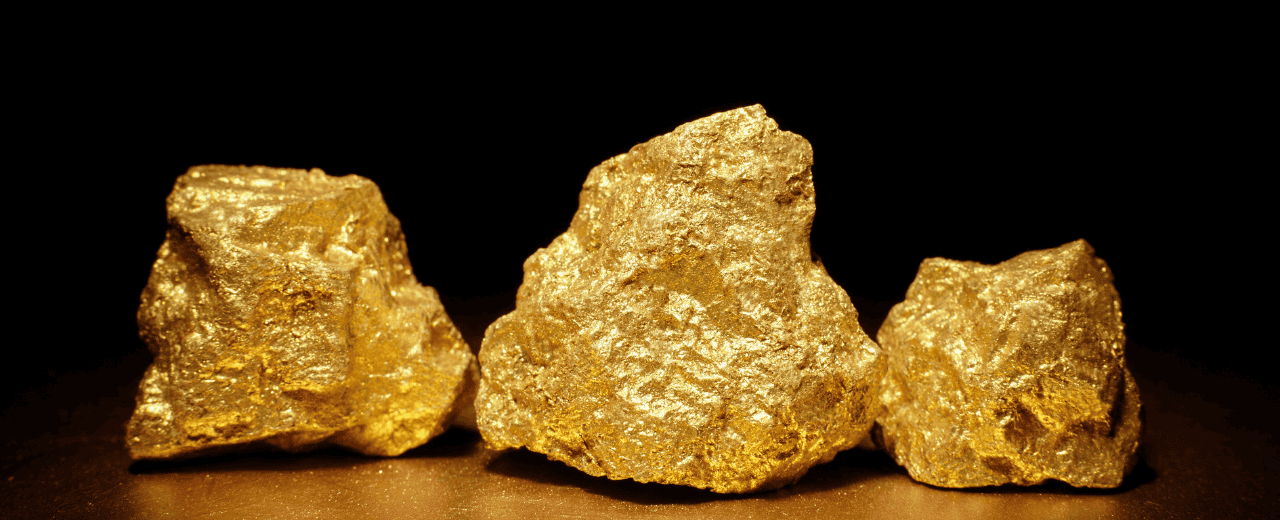
Part of the security of gold lies in its liquidity and global acceptance.
Gold — especially in the form of bars, coins, or quality jewelry — can be sold or exchanged in a wide variety of places, in different countries, relatively quickly. Liquidity is a highly desirable characteristic for a safe investment. In addition, its universality facilitates conversion into other values or currencies.
When we consider gold jewelry — such as the pieces from Lusijoia — we are talking about physical gold that also combines decorative and patrimonial value. Although there may be resale costs (e.g., wear and tear, condition of the piece, design), the basis of gold's value remains. For those who own used gold or antique jewelry, this means that the piece does not become "trash" if it is well preserved — and that it can be converted into real value.
Macro Factors Strengthening Gold in 2025
To update the outlook, several recent factors reinforce gold's position as a safe investment:
1. Weakness of fiat currencies: When a currency loses value or faces high inflation, gold tends to rise. In 2025, a weaker dollar propelled gold to historical highs.
2. Purchases by central banks: Central banks have been strengthening their gold reserves, signaling that this metal continues to play a strategic role in international finance.
3. Geopolitical and economic uncertainty: Trade tensions, wars, or economic crises lead investors to seek safe-haven assets. Gold is among the first items in this search.
4. Limited supply: As already mentioned, the production of new gold is limited, while most gold remains already mined—giving it a character of structural scarcity. This dynamic favors the stability of its value over time.
Why Vintage Gold Can Also Be a Safe Investment
Beyond "new" gold or bars, the used or vintage gold segment — so relevant to Lusijoia — also has specific advantages.
A vintage piece doesn't just have the value of the metal. It embodies narrative, style, heritage, and rarity — which can add "premium" value.
In practice, a 19K Portuguese gold jewel, for example with a filigree design, combines the security of gold with cultural and aesthetic value.
When well preserved or revalued, second-life jewelry can outperform simple pure metal, as it also participates in the collectors' market.
This makes it a double investment: metal + design + rarity.
Well-identified jewelry pieces, with guaranteed purity and a reliable brand, are relatively liquid in the specialized market. For those looking to invest or sell, having the possibility of converting the piece into real value is an excellent security differentiator.
Conclusion
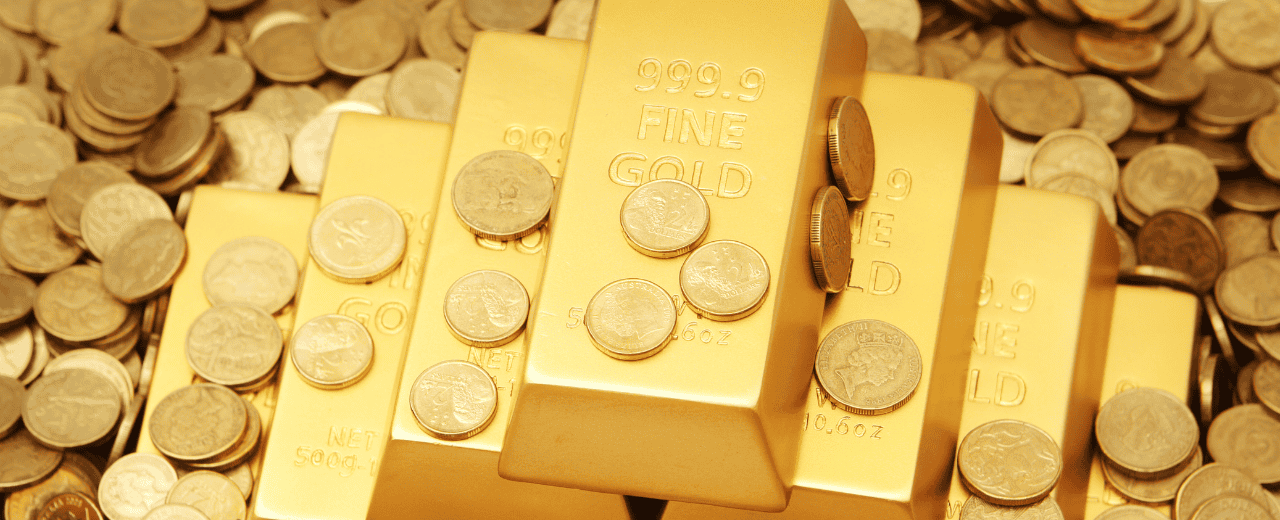
Gold remains the world's safest investment not only because of tradition, but also because it combines several rare qualities: scarcity, universality, durability, liquidity, ability to diversify risk, and resilience in times of crisis.
For those who own gold jewelry in Portugal or are considering buying or selling used/vintage gold, the advantages are palpable: preservation of real value, protection against inflation, integration into a wealth management strategy, and the ability to convert with relative liquidity.
However, this security comes with the requirement for information, authenticity, and planning. Gold does not guarantee rapid growth or replace income, but it protects and stabilizes.
For Lusijoia and (we hope) our readers, it's about recognizing that the jewelry or metal they choose today can be not just an adornment—but an affirmation of value, history, and security for the future.
"Gold is not what you show—it's what you feel!
And when you feel that confidence, the investment ceases to be speculation."
-----------------------------------------------------------------------------------------------------
Follow our Blog to discover more publications related to the world of jewelry first-hand!
Subscribe to our Newsletter to receive news from us in your email every two weeks.
Explore our website to appreciate jewelry in Portuguese gold, sustainable gold, silver and filigree pieces, included in the most current trends in the sector.
Follow our Social Media to get more inspiration when composing your everyday looks.
Related posts

Theft with a Happy Ending: GNR recovers gold jewelry worth €80,000

A Gold Bar Hidden in Lapland: Treasure Hunt

MUDE. All the beauty of the world in 502 contemporary jewels.

Portojóia 2026: "Luxury Redefined" and the future of Portuguese jewelry

New post

Margarida Corceiro's Shine at the 2026 Venice International Film Festival

Essential Vintage Jewelry: A guide for collectors (and those who want to start)
How to Match Eyeglass Frames with Your Jewelry (The Guide Your Style Was Missing)
The Importance of Choosing the Right Lenses for Sunglasses, Along with Jewelry