


Tribeca Festival Lisbon 2025: Cinema, Music and Creativity Converged in the Portuguese Capital
From October 30th to November 1st, 2025, Lisbon hosted, for the second time, one of the world's most influential cultural festivals: the Tribeca Festival, born in New York City and conceived by Robert De Niro, Jane Rosenthal, and Craig Hatkoff. This festival, globally recognized for its celebration of independent film, music, urban creativity, and digital innovation, arrived in the Portuguese capital with the goal of creating a global meeting point for artists, directors, producers, musicians, digital creators, and audiences passionate about art.
While New York has been its home since 2002, Lisbon stands as an international stage, chosen for its cultural energy, creative diversity, cosmopolitan history, and vibrant moment in the landscape of European cultural industries.
The Tribeca Festival Lisbon 2025 was not just a film festival—but a transversal celebration of contemporary culture, where the boundaries between art, technology, and social consciousness were blurred. In Lisbon, it reinforced a dialogue between cinema, fashion, and visual arts, highlighting how we present ourselves, how we communicate, and how we stylize our own narrative. Because in a festival where art is language, looks become discourse. And jewelry—especially in gold—emerges as the final signature of an identity that seeks to be assertive, conscious, and elegant.
Lisbon was the place where global storytelling met the local soul!
At Unicorn Factory, the city became a catwalk. Lisbon style met the relaxed glamour of Tribeca. And the result was an aesthetic where luxury is subtle, shine is intentional, and the body speaks through lines, textures, and details. A vibrant space for sharing, with exclusive premieres, inspiring talks, live podcasts, and unexpected encounters between those who make and those who love cinema, television, and culture.
The History of the Tribeca Film Festival: From New York to the World
The Tribeca Film Festival was born in the Tribeca neighborhood of New York City during a time of emotional reconstruction following the September 11 attacks. The initial goal was clear: to revitalize the city's cultural and economic life through art.
Robert De Niro, who has always lived and worked in Tribeca, saw the festival as a way to restore hope and artistic expression to his community.
Since then, the festival has:
- Become one of the largest and most respected independent film festivals
- Revealed new directors, actors, and artistic movements
- Expanded into the areas of music, digital art, immersive storytelling, and virtual reality
- Transformed into a multidisciplinary festival that celebrates cultural innovation
Tribeca is, above all, a festival of narratives—of human, urban, political, technological, and social stories.
Why Lisbon? Our City's Choice
Lisbon is today one of the most creative cities in Europe and has been welcoming international artists, filmmakers, musicians, and creators who identify with:
- The city's light
- The diversity and cultural freedom
- The artistic effervescence of the historic neighborhoods
- The growth of the technological and creative industries
- Its geographical and linguistic positioning as a bridge between Europe, Africa, and Latin America
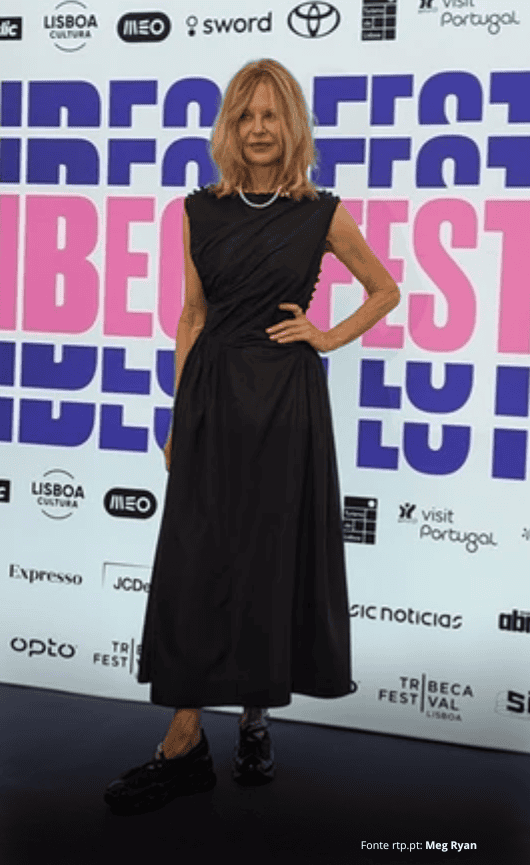
Between stages and a program that united local and international voices, the power of stories that bring us closer and make us see the world in a different way was celebrated. We welcomed artists and creators such as Meg Ryan, Kim Cattrall, Giancarlo Esposito, Veronica Falcón, Julian Schnabel, and many others who brought the spirit of Tribeca to Lisbon.
The Tribeca Festival Lisbon is more than a festival. It's a statement. That Lisbon deserves to be on the map of the world's cultural capitals. That storytelling remains relevant in an increasingly fragmented world. And that the future of entertainment lies in both dialogue and spectacle.
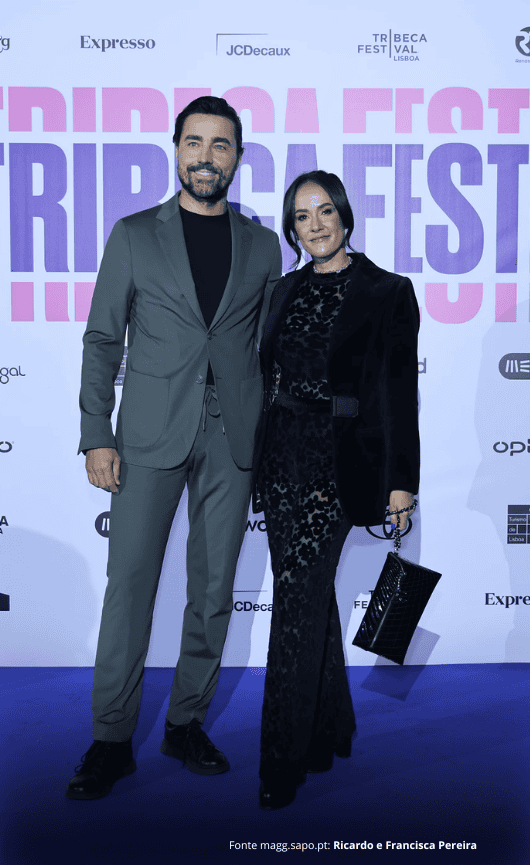
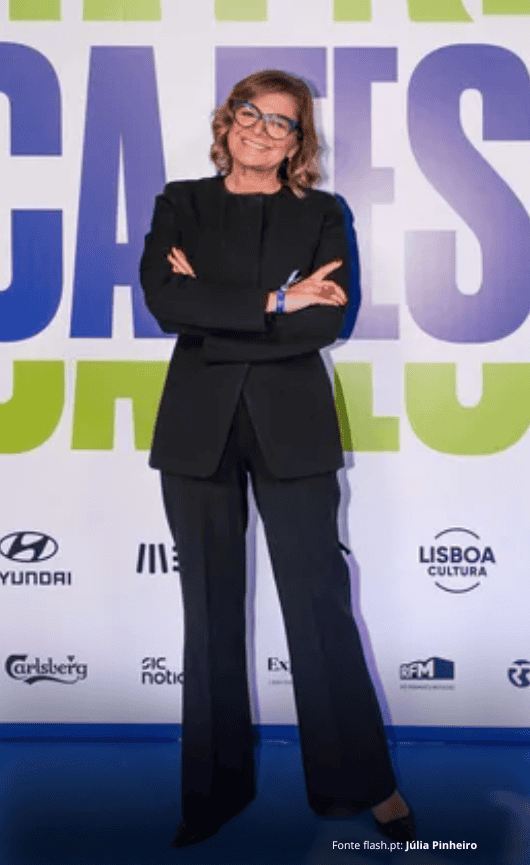
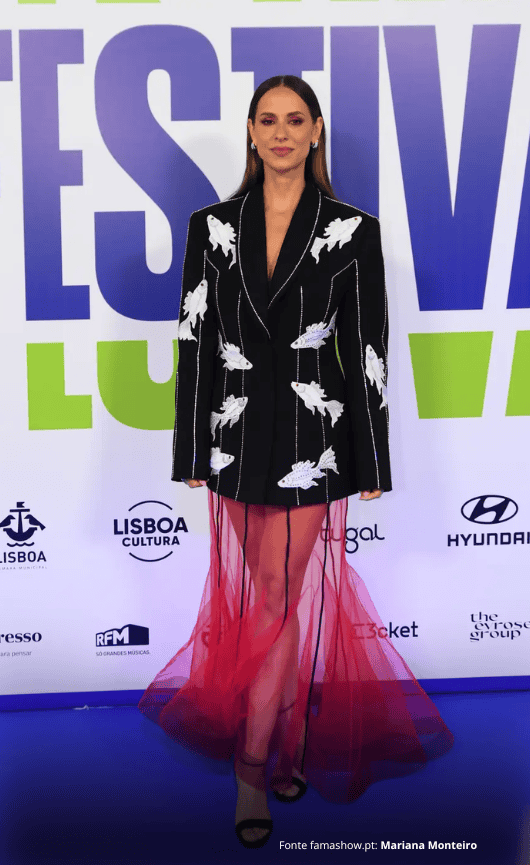
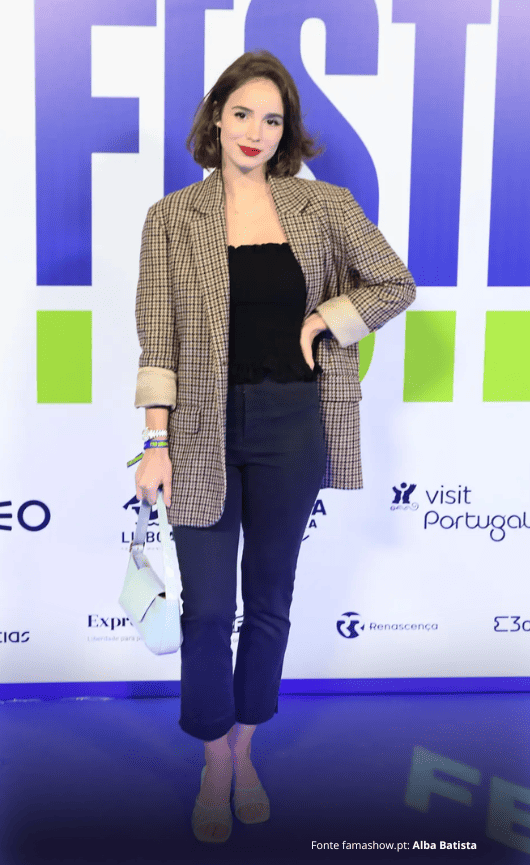
Unpretentious Elegance: The Style Seen at Tribeca Lisbon
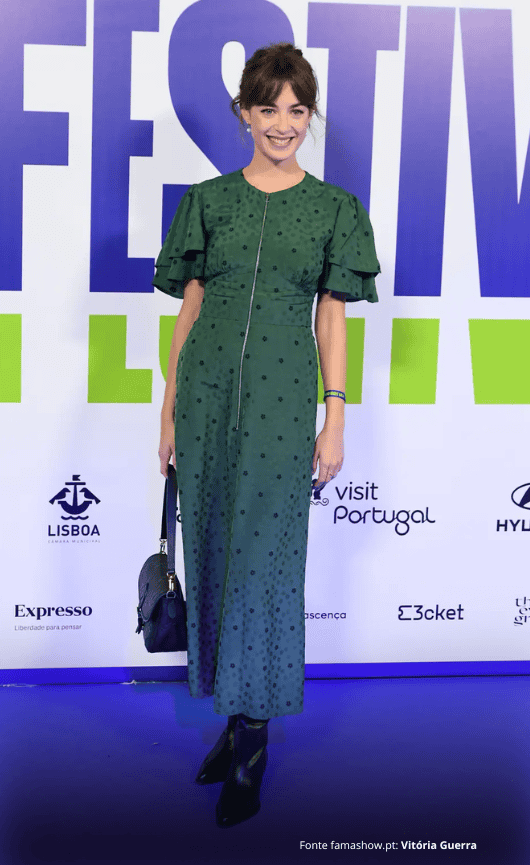
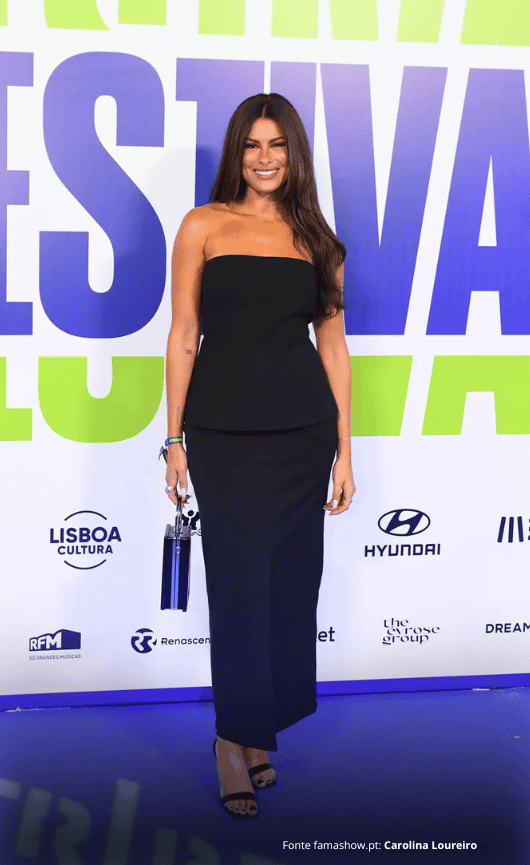
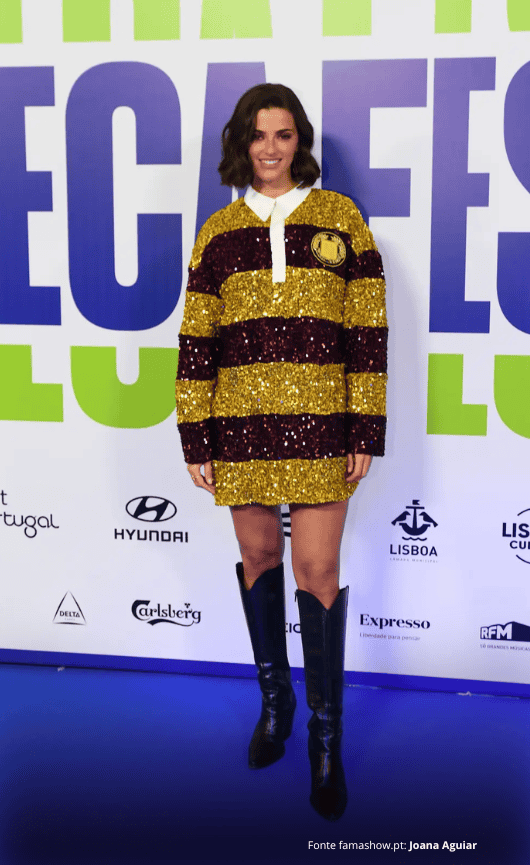
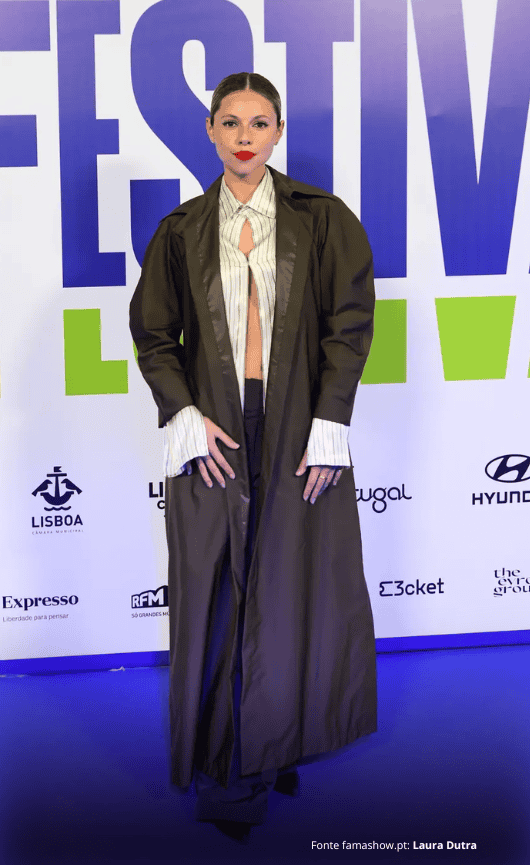
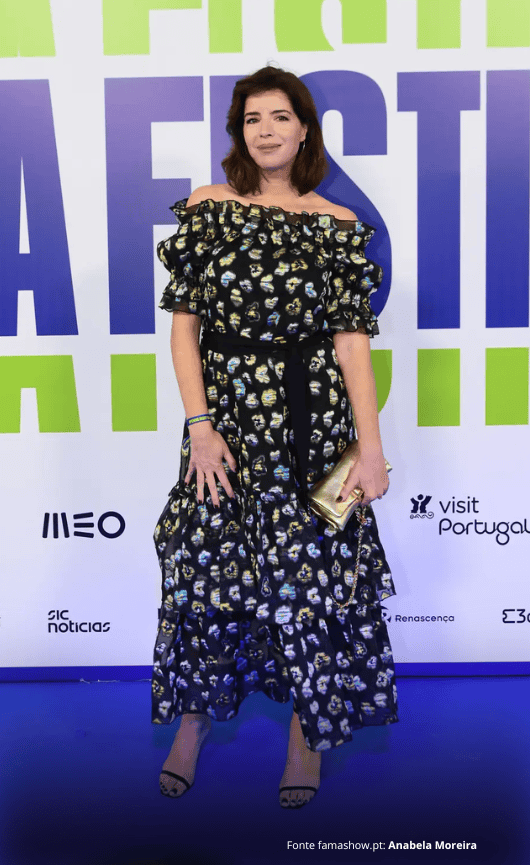
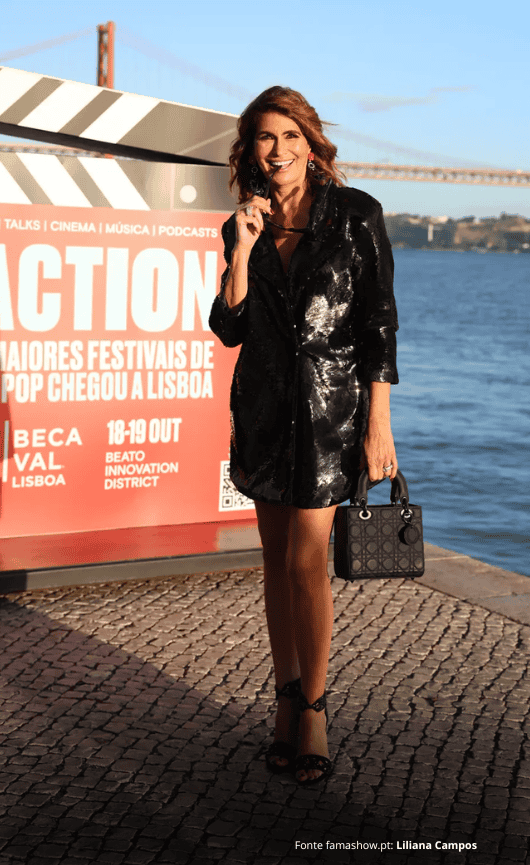
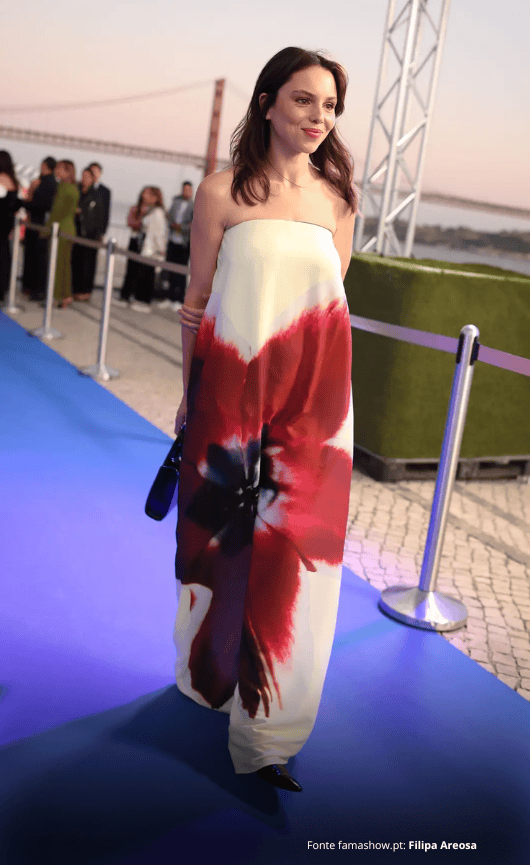
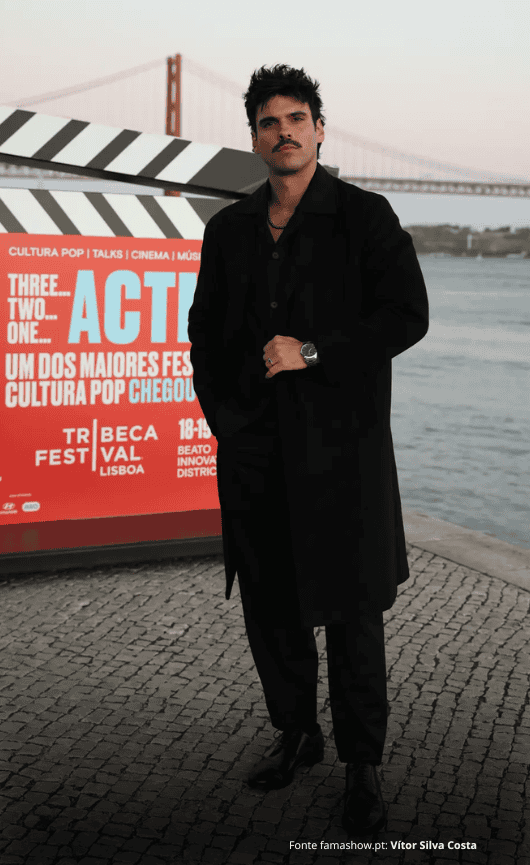
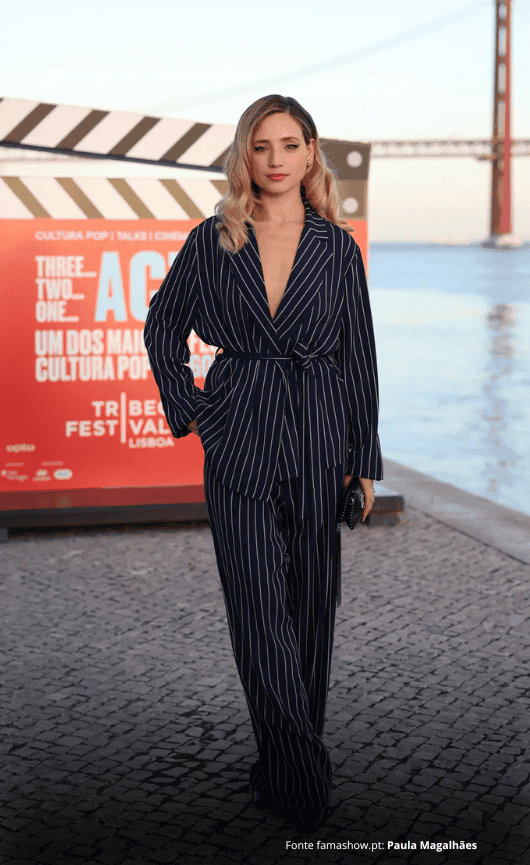
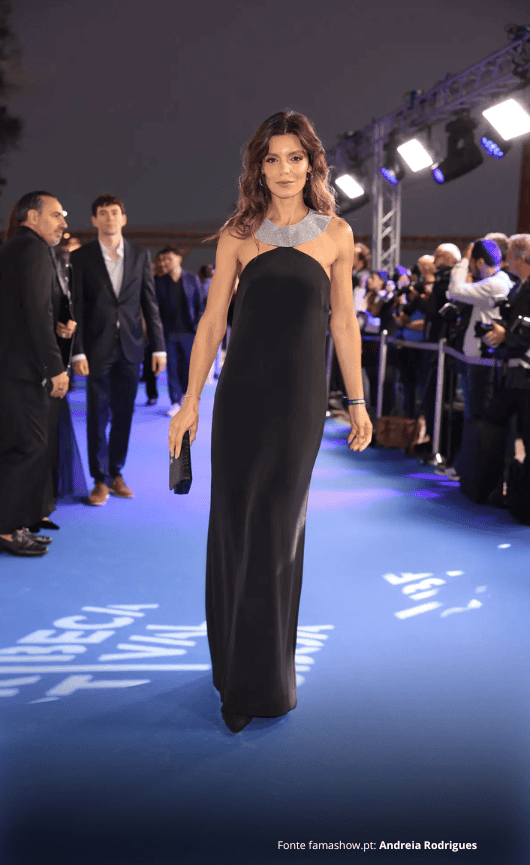
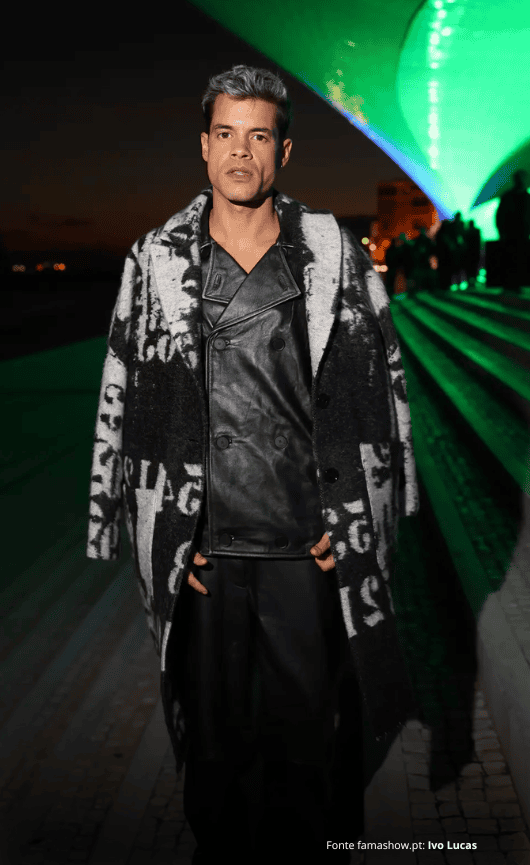
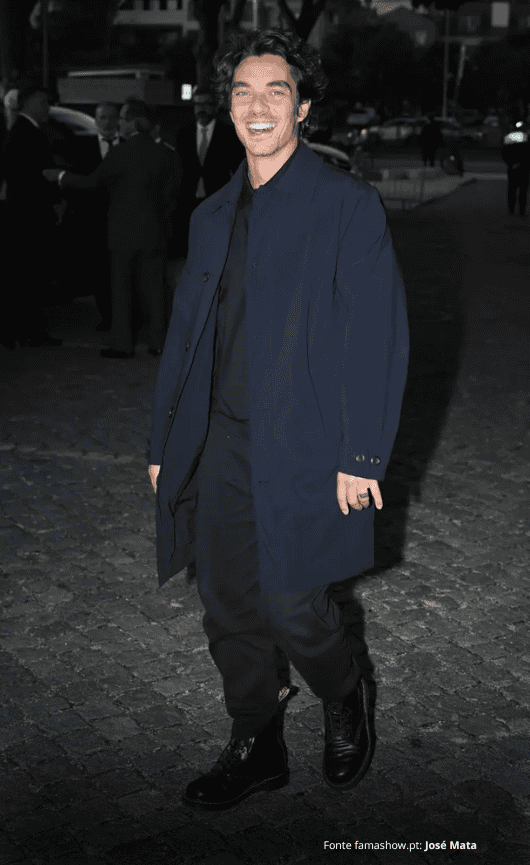
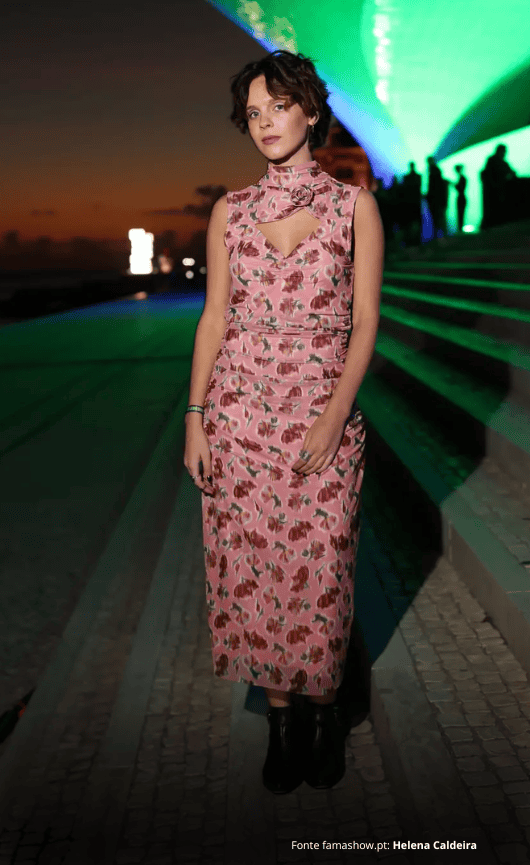
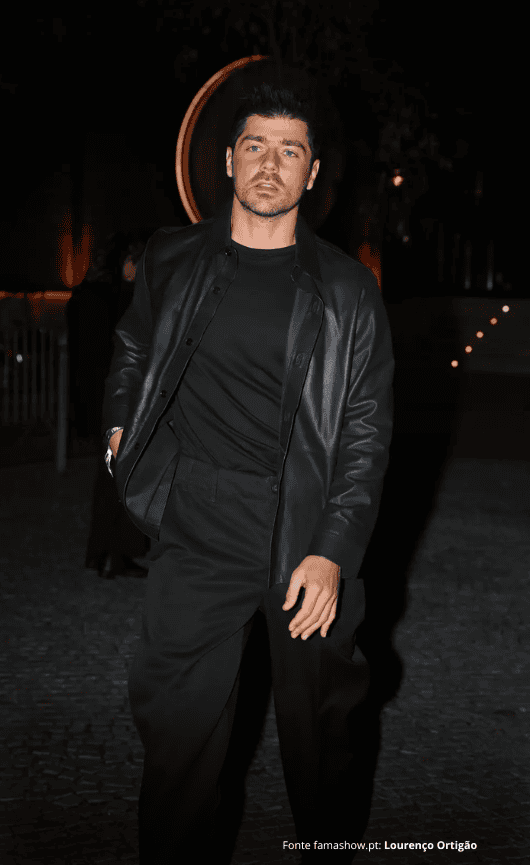
Unlike the grand international red carpets, where exuberance and excess usually dominate, the Tribeca Festival Lisbon opted for quiet luxury — a style that prioritizes clean lines, noble materials, and invisibly well-crafted combinations.
An aesthetic maturity was noted, expressed in a simple principle: impact lies not in quantity, but in intention.
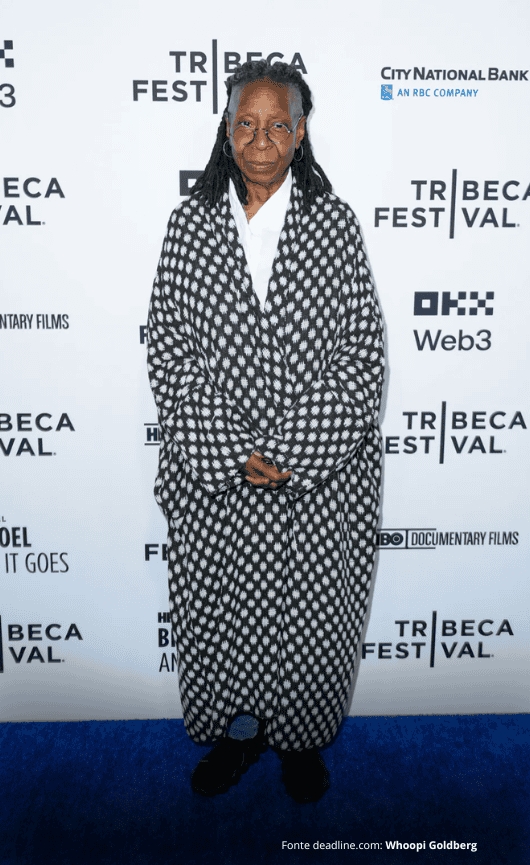
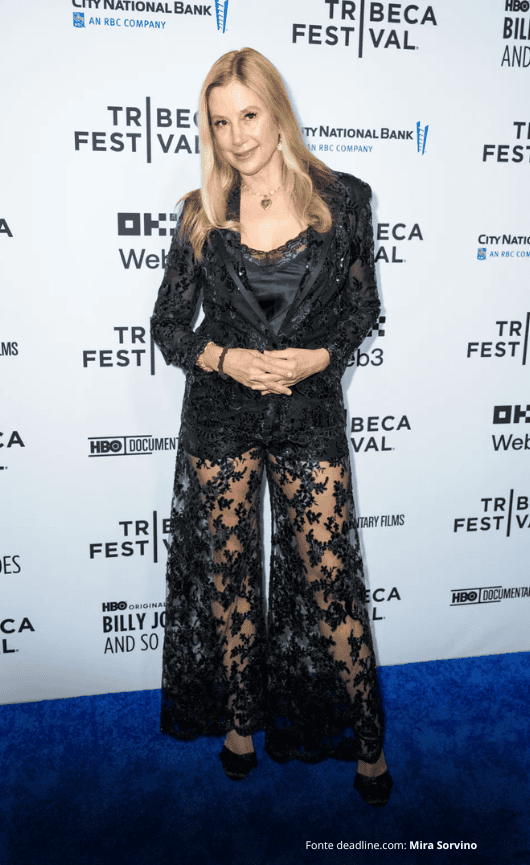
Flowing satin or silk dresses, minimalist suits, deconstructed tailoring, monochromatic outfits, and textured pieces created an atmosphere where movement mattered as much as form.
In this context, jewelry played a special role: it served as accents, luminous pauses, and details that prolonged the gaze.











Related posts

Portojóia 2026: "Luxury Redefined" and the future of Portuguese jewelry

New post
Margarida Corceiro's Shine at the 2026 Venice International Film Festival

Essential Vintage Jewelry: A guide for collectors (and those who want to start)

How to Match Eyeglass Frames with Your Jewelry (The Guide Your Style Was Missing)

The Importance of Choosing the Right Lenses for Sunglasses, Along with Jewelry

The Art of Ear Cuffs: Earrings without piercing to change your look

Total Eclipse in Portugal: How to Photograph the Phenomenon That Will Only Return in 2144

The Euro is getting a makeover: Do you prefer historical figures or birds?