


Theft with a Happy Ending: GNR recovers gold jewelry worth €80,000
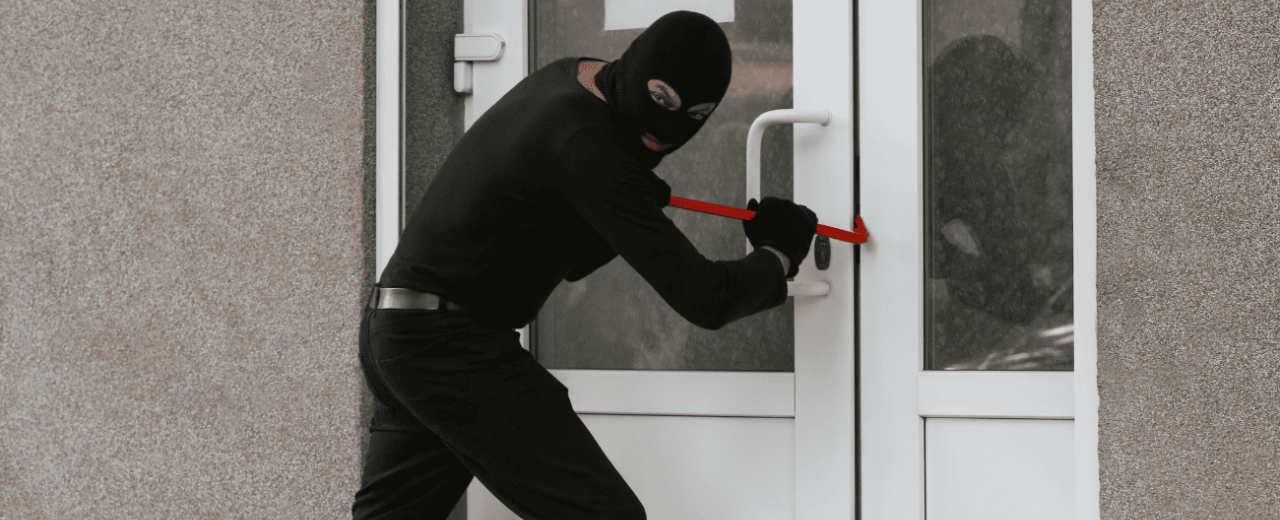
There are news stories that leave us with a lump in our throat. Not because of the value itself, but because of what they represent. Not long ago, the GNR recovered around 80,000 euros worth of gold pieces that had been stolen from inside a home in Serpa, in the district of Beja.
Fortunately in this case, the suspect, a 46-year-old man, was identified and charged, and the pieces were returned to their rightful owner.
At first glance, it is a story with a happy ending. The GNR did its job, the suspect was detained, the gold came home. But we, at Lusijoia, cannot stop thinking about everything behind this news story.
Because this is not an isolated case. It is a pattern. And it is a pattern that affects, in a particularly cruel way, the most vulnerable layer of our population: the elderly and those who live alone or in more remote areas.
What happened in Serpa
According to the statement from the Beja Territorial Command of the GNR, the precious metal pieces were recovered on Tuesday by officers from the Criminal Investigation Unit of the Moura Detachment.
The GNR explained that "after identifying a suspect, it was possible to locate and recover all the stolen goods", and a 46-year-old man was charged as a suspect in the theft. The facts were reported to the Serpa Judicial Court, and the operation had the support of the Serpa Territorial Post.
What the news doesn't say — because it's not its role — is what this theft represents for those who suffered it. A burgled home is not just a home with fewer objects. It is a space of intimacy violated. And when those objects are pieces of jewellery — pieces that often carry decades of memory, family inheritances, gifts from people who have already passed away — the damage is irreparable, even if the gold comes back.
A repeating pattern: the elderly as prime targets
If we think this was an isolated case, we are fooling ourselves. The numbers tell a different story. Between January and August 2026 alone, the GNR recorded 2,720 fraud crimes against the elderly, 4,545 theft crimes against the elderly, and 417 robbery crimes against the elderly.
In 2025, the Guarda Nacional Republicana flagged 43,074 elderly people living alone and/or isolated, or in situations of vulnerability.
These numbers are not just statistics. They are people. They are grandparents, parents, neighbours. They are people who built a life and who, at a stage of greater fragility, become targets for those who have no scruples.
The schemes: how criminals operate
The creativity of criminals has no limits — and it is precisely that creativity that makes this problem so difficult to combat. Let's look at the most common schemes.
1. The fake officials
Men and women who pose as technicians, representatives of entities, parish council or social security employees. They ring the doorbell, present themselves with a credible story, and manage to enter the victims' homes. Once inside, they distract them and steal whatever they find.
2. The fake healthcare professionals
This is one of the cruellest schemes. In July 2026, five people were accused of posing as doctors and nurses to carry out 16 burglaries of elderly people's homes in the Greater Lisbon area.
The modus operandi was always the same: the women, dressed in white coats, announced themselves as nurses from the health centre or the Santa Casa da Misericórdia. They asked to see the conditions of the house or to assess the elderly people's medications. While one distracted the victim, the other went to the bedrooms and stole the gold.
In one of the burglaries, which took place in Algés, the thieves took gold objects worth 15,000 euros. Days later, they stole eight thousand euros from a house in Barcarena.
3. The fake caregiver
In September 2026, a 31-year-old man was detained for posing as an elderly caregiver in order to steal their belongings and money. He falsified qualifications to be hired by informal care companies, gained the trust of at least 15 victims, and misappropriated around 100,000 euros.
What makes this case particularly disturbing is the coldness of the scheme: the man took advantage of the victims' clinical condition, their dependency, their trust. Two of the victims were each defrauded of 25,000 euros.
4. The "conto do vigário" (classic con trick)
A classic scheme, but one that still works. The criminal approaches the victim on the street, often near their home or a bank, with a conversation involving an exchange of money or the promise of a profitable deal. The victim, often confused or pressured, ends up handing over money or valuables.
5. Phone and online scams
Online scams are increasingly frequent. Phone calls pretending to be from the bank, emails with fraudulent links, payment requests via MB Way. Criminals exploit the lack of digital literacy of many elderly people to gain access to their accounts or to convince them to make payments.
Why are the elderly the preferred targets?
The answer is uncomfortable but necessary: because they are seen as easy prey.
Many elderly people live alone. They have predictable routines. They may have hearing, vision, or mobility difficulties. They may be socially isolated, which makes them more susceptible to conversations with someone presenting themselves as a friend or authority. And, in many cases, they have valuables at home — jewellery, gold, money — that they have kept for decades, far from banks and safes.
There is also a cultural factor: the older generation was raised in a time when a given word was worth something, when people were more trustworthy. That trust, which is a virtue, makes them more vulnerable to those who do not deserve it.
What can we do? Prevention measures
We cannot change the past. But we can protect the future. Here are some measures that can make all the difference.
For the elderly (and for those who care for them):
- Do not open the door to strangers. Never. Even if they present themselves as officials, technicians, or healthcare professionals. If necessary, ask for identification and confirm with the entity.
- Do not hand over money or valuables to anyone. No official entity asks for money or jewellery at your door.
- Do not give in to pressure. Criminals try to create urgency. "It has to be now." "It's a unique opportunity." The answer should always be: "I'll think about it" or "I'll talk to my son."
- Keep emergency numbers at hand. GNR (213 217 000 or 112), PSP (112), and the local police station number.
- Inform the GNR when you will be away from home for several days.
- Do not leave signs of absence — accumulated mail, lights off for days, etc.
- Avoid walking alone on the street, especially at night. And do not wear valuables visibly.
For families:
- Talk to parents and grandparents about these schemes. Often, silence and shame prevent victims from reporting. It is necessary to create an environment of trust so they feel comfortable sharing.
- Be alert to warning signs. Changes in behaviour, disappearance of objects, anxiety, fear of answering the door or the phone.
- Help keep the jewellery safe. A safe, a bank, or a discreet and secure place. Not in the bedside table drawer, where thieves go directly.
- Make an inventory of valuable pieces. Photographs, descriptions, values. It is essential in case of theft, for the report and for insurance.
- Consider specific jewellery insurance.
For authorities and institutions:
The GNR has been developing commendable work in this area, through programmes such as "Apoio 65 – Idosos em Segurança" and Operation "Censos Sénior", which in 2026 flagged 43,074 elderly people in vulnerable situations.
But combating this phenomenon requires more. It requires more awareness-raising actions — such as those carried out in parishes across the country, in partnership with local authorities and security forces. It requires more community policing. It requires exemplary sentences for those who take advantage of the most vulnerable. And it requires, above all, a culture of reporting — because many cases are never reported.
And the pieces themselves? How to store them safely
At Lusijoia, we know that jewellery is not just objects of value. They are memories. They are inheritances. They are pieces of life we want to keep close.
So here are some practical recommendations for storing your gold pieces safely:
- Choose a safe place. A safe, preferably. If not possible, a discreet and not obvious place — not the bedside table drawer, where thieves look first.
- Avoid humidity and direct light. A cool, dry environment preserves the shine of gold.
- Use individual cases. Each piece in its own case, lined with velvet or suede, to avoid scratches and friction.
- Make a photographic inventory. Before storing, photograph each piece. It is essential for the report and for insurance.
- Consider specific jewellery insurance. It is worth the investment for peace of mind.
- Wear your jewellery. It seems counterintuitive, but regular use helps keep it in good condition and prevents it from being forgotten in a corner, at the mercy of those looking for it.
What Lusijoia can do for you
At Lusijoia, we have a team of official appraisers from the Mint. We buy used gold with transparency and give it a new life. But we also want to be part of the solution to this problem.
If you have jewellery you no longer wear, a good way to protect it is to sell it — turning a risk into security. If you want to keep your pieces, we help evaluate them and advise on the best way to store them.
And if you are a victim of theft or fraud, our recommendation is always the same: report it. To the GNR, the PSP, the Public Prosecutor's Office. Because silence protects criminals, not victims.
Note from the team: At Lusijoia, we believe that information is the best protection. Share this article with those who need to read it — your parents, your grandparents, your neighbours. Prevention begins with knowledge. And the safety of those we love is priceless.
#Lusijoia #Security #Prevention #Elderly #GoldTheft #Scams #GNR #Serpa #Goldsmithing
Related posts

A Gold Bar Hidden in Lapland: Treasure Hunt
MUDE. All the beauty of the world in 502 contemporary jewels.

Portojóia 2026: "Luxury Redefined" and the future of Portuguese jewelry

New post

Margarida Corceiro's Shine at the 2026 Venice International Film Festival

Essential Vintage Jewelry: A guide for collectors (and those who want to start)
How to Match Eyeglass Frames with Your Jewelry (The Guide Your Style Was Missing)
The Importance of Choosing the Right Lenses for Sunglasses, Along with Jewelry

The Art of Ear Cuffs: Earrings without piercing to change your look