

What are the Characteristics of Silver? Everything About This Precious Metal.
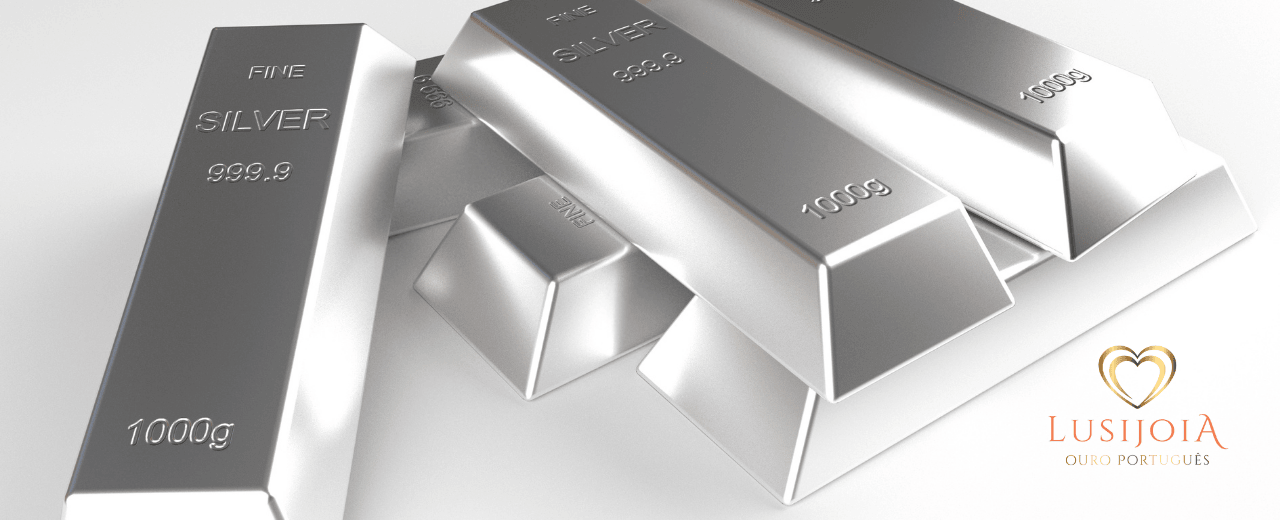
Silver is one of the oldest, most valuable, and most prized metals in human history. Used since ancient civilizations for coins, jewelry, utensils, and medicinal purposes, silver continues to occupy a prominent place in the world of goldsmithing, technology, and decoration. In this article, we explore the main characteristics of silver, its uses, advantages, care instructions, and curiosities that make this metal so special.
What is Silver?
Silver is a chemical element with the symbol Ag (from the Latin "argentum") and atomic number 47. It is a transition metal with a white color and a characteristic metallic luster, highly malleable and ductile. It is found in nature both in its pure state and in ores, and is often mined along with lead, copper, and zinc.
Pure silver has greater electrical and thermal conductivity than any other metal, making it highly valued in industrial and technological applications.
How to Identify Genuine Silver
Look for the assay office mark:
- 925: Indicates 92.5% pure silver
- Official marking: A deer's head (Portugal) for silver
Other methods:
- Magnet test (silver is not magnetic)
- Oxidation reaction (genuine silver darkens over time)
Silver and Sustainability
- Silver can be recycled indefinitely without losing quality;
- Recycled silver jewelry is an environmentally friendly option;
- Responsible and certified mining is essential to preserve natural resources.
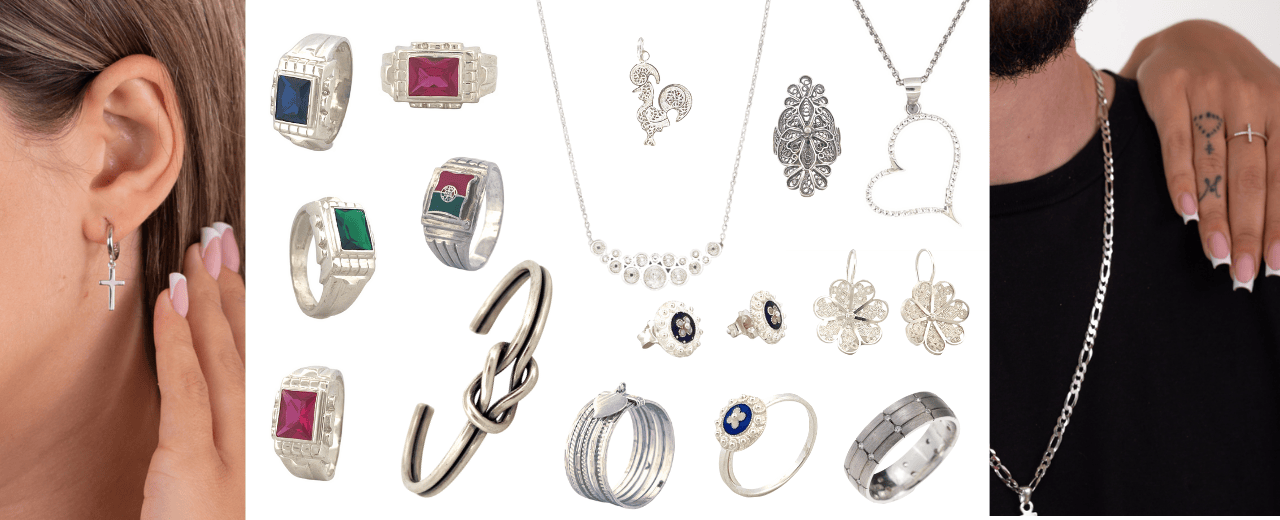
Types of Silver Used in Jewelry
Although pure silver (99.9% silver) is too soft for use in jewelry, there are alloys with other metals that make the material stronger:
● 925 Silver (Sterling Silver)
Contains 92.5% silver and 7.5% other metals, usually copper. It is the most common type in jewelry and offers the ideal balance of shine, durability, and value.
● 950 Silver
With 95% pure silver, it is even more shiny but slightly less durable than 925 silver. Used in special and handmade pieces.
● Alpaca or Germanic Silver
Contains nickel, zinc, or copper, but no silver. Despite its similar shine, it is cheaper and used primarily in costume jewelry.
Physical and Chemical Characteristics of Silver
Color: Bright white
Luster: Intense metallic
Hardness: Relatively low on the Mohs scale (2.5 to 3)
Malleability: Very high, can be formed into thin sheets
Ductility: Can be stretched into very thin wires
Conductivity: Better conductor of electricity and heat
Melting Point: 961.8°C
Boiling Point: 2162°C
Advantages of Silver in Jewelry
Timeless Elegance: Its shine and neutral color match any style
Affordable: Compared to gold, it is more affordable while maintaining aesthetic value
Versatility: Can be crafted into a variety of styles and finishes
Antibacterial: Naturally antimicrobial, it is used in healthcare and cosmetics
Silver Care
Silver can oxidize (darken) over time due to reaction with sulfur present in the air or on the skin. To maintain its shine:
- Store in a dry place away from direct light.
- Avoid contact with perfumes, creams, or cleaning products.
- Clean with a cloth designed for silver or with special solutions.
Difference between Silver, Gold-Plated Silver, and Oxidized Silver.
Gold-Plated Silver: This is 925 silver with a gold coating, combining the shine of silver with the elegance of gold.
Oxidized Silver: The silver is intentionally darkened to create contrast and highlight design details.
These variations have gained popularity in contemporary jewelry.
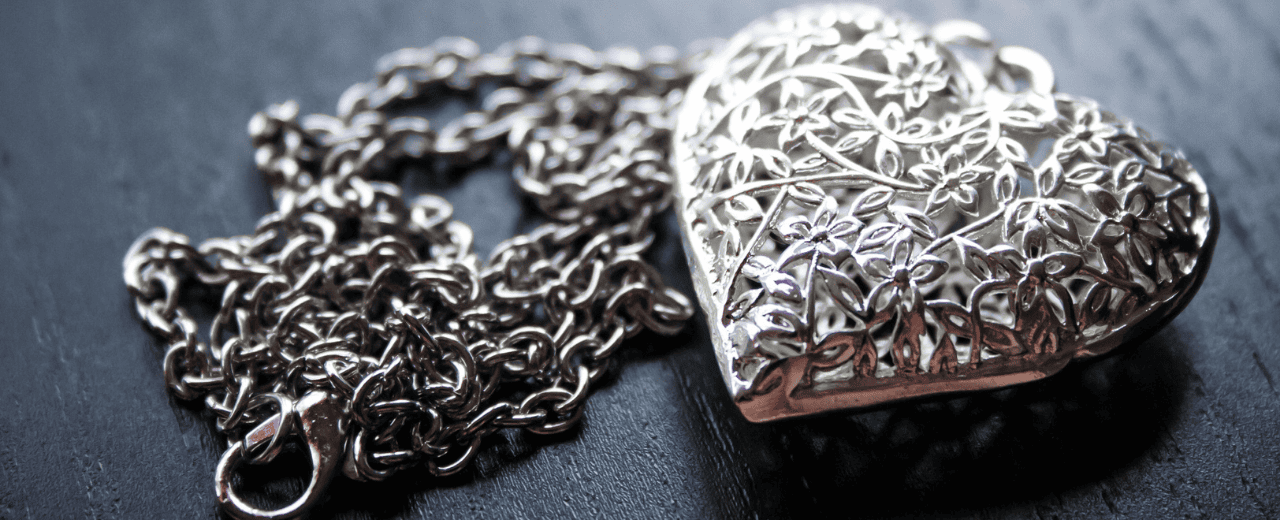
Silver in Portuguese Goldsmithing
Portugal has a long tradition in the art of goldsmithing, and silver occupies a central place in this heritage. Highlights include:
- Portuguese Filigree: An ancient art that shapes silver wire into intricate patterns;
- Religious Jewelry: Medals and crosses with spiritual significance;
- Identity pieces: Queen's Earrings, Heart of Viana, among others.
Portuguese silver is certified by a hallmark, guaranteeing its purity and authenticity.
Silver in the International Market
- Used in the electronics, solar, and medical industries;
- Demand has increased with the transition to renewable energy;
- The value of silver is quoted on the stock exchange and can fluctuate daily.
Interesting Facts About Silver
- The name "silver" derives from the Latin argentum, meaning "bright white";
- In ancient times, silver was believed to ward off negative energy;
- It is traditional to offer silver on 25th wedding anniversaries;
- In the past, silver cutlery was used by the nobility for its antibacterial properties.
Conclusion: Why choose silver?
Silver is a precious metal that combines history, value, beauty, and functionality. Whether in traditional jewelry, modern pieces, or technological applications, silver continues to play a central role in people's lives. Its versatility, unmistakable shine, and affordability make it a perfect choice for those looking to invest in style with meaning.
At Lusijoia, we work with high-quality, hallmarked silver and offer a wide range of authentic, delicate pieces with contemporary or traditional designs.
If you appreciate jewelry with soul, durability, and elegance, silver is undoubtedly a good choice.
-----------------------------------------------------------------------------------------------------
Follow our Blog to discover more publications related to the world of jewelry first-hand!
Subscribe to our Newsletter to receive news from us in your email every two weeks.
Explore our website to appreciate jewelry in Portuguese gold, sustainable gold, silver and filigree pieces, included in the most current trends in the sector.
Follow our Social Media to get more inspiration when composing your everyday looks.
Related posts

Theft with a Happy Ending: GNR recovers gold jewelry worth €80,000

A Gold Bar Hidden in Lapland: Treasure Hunt
MUDE. All the beauty of the world in 502 contemporary jewels.

Portojóia 2026: "Luxury Redefined" and the future of Portuguese jewelry

New post

Margarida Corceiro's Shine at the 2026 Venice International Film Festival

Essential Vintage Jewelry: A guide for collectors (and those who want to start)
How to Match Eyeglass Frames with Your Jewelry (The Guide Your Style Was Missing)
The Importance of Choosing the Right Lenses for Sunglasses, Along with Jewelry